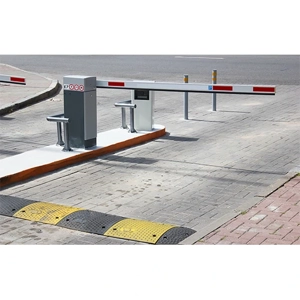



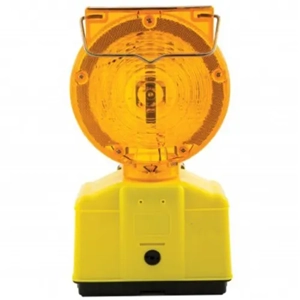
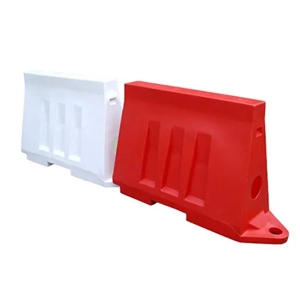

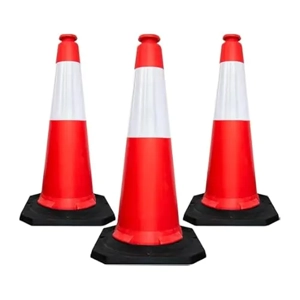
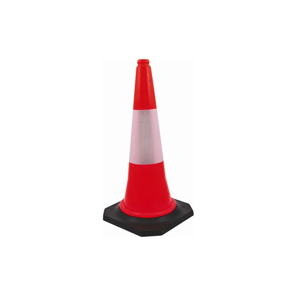

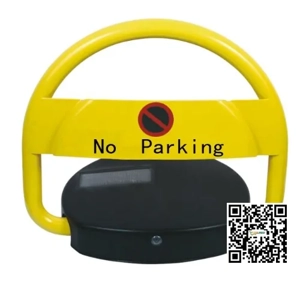

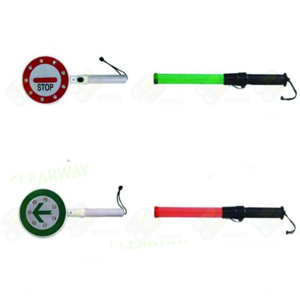
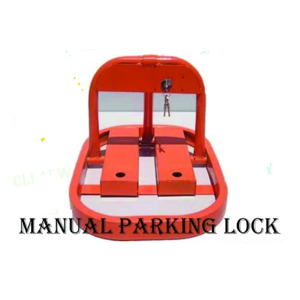





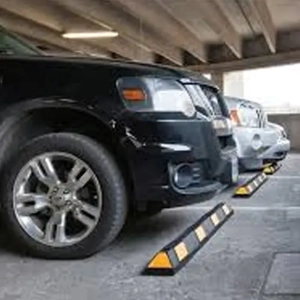

Roadway safety is a major worry for all drivers, walkers, and people who work in the transportation industry. Accidents on the road can hurt people badly or kill them, and they can also damage cars and structures. To deal with these dangers, it's important to take steps to make roads safer.
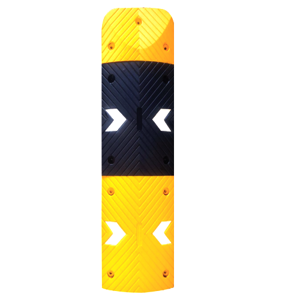
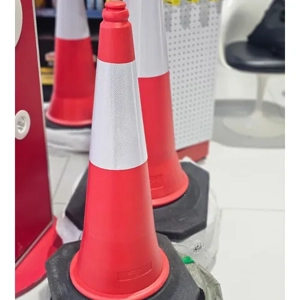
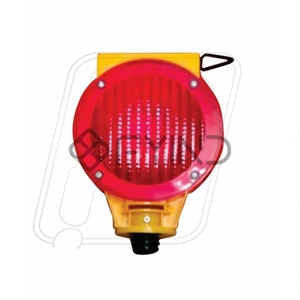
There are many goods and services, such as safety tools, traffic control devices, and training programmes, that can help make roads safer. Online markets like FYIND offer a wide range of goods and services linked to road safety, such as workplace safety, police and military supplies, and firefighting tools.
In addition to these tools, there are also a lot of groups whose main goal is to make roads safer. For example, the National Safety Council has classes called "defensive driving" that can help drivers improve their skills and lower the chance of getting into a crash.
Improving road safety requires everyone, including drivers, transportation workers, and lawmakers, to work together. We can help make roads safer for everyone if we all work together and use the many tools we have.
1. What is the plan for making roads safer?
Ans: The better roads approach has a clear plan for what to do in the following areas: Setting up a strong approach to road safety based on data for the main areas of worry. Then, we'll make a plan of action to bring about real change.
2. What are the risks to road safety?
Ans:
3. How fast should you go on the road to be safe?
Ans: 55 mph is the best driving speed on a rural street when no speed limits are posted. But between 10 and 25 mph is a safe speed on neighbourhood streets. The speed limit is the fastest speed you can drive.
4. How fast should you go on the road to be safe?
Ans: 55 mph is the best driving speed on a rural street when no speed limits are posted. But between 10 and 25 mph is a safe speed on neighbourhood streets. The speed limit is the fastest speed you can drive.
5. What is the safest space between cars on the road?
Ans: Putting more space between you and the car in front of you can give you the time to spot danger and react safely. The National Safety Council suggests that you stay at least three seconds behind the car in front of you. It's not hard to figure out the three-second gap.

 0
0 
.webp)