



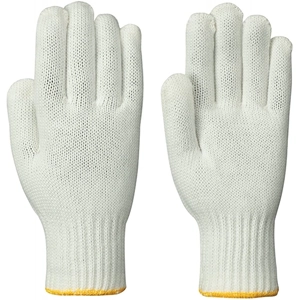



















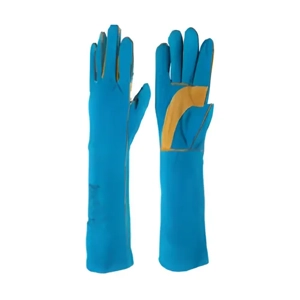








Ensuring hand protection holds utmost importance across diverse industries and work settings. Here are key rationales underscoring the significance of safeguarding hands.
The primary objective of hand protection is to avert injuries. Hands are susceptible to cuts, abrasions, punctures, and various hazards in numerous workplaces. Appropriate hand protection, such as gloves, establishes a barrier between hands and potential dangers, thereby diminishing the risk of injuries.
In industries where workers handle chemicals, biological agents, or hazardous materials, hand protection is indispensable to prevent skin exposure. Gloves designed to resist chemicals act as a safeguard against burns, dermatitis, and other adverse reactions.
Workplaces often entail machinery and tools that pose mechanical hazards. Hand protection, encompassing impact-resistant gloves and those with reinforced palms, serves as a shield against crush injuries, impacts, and vibrations.
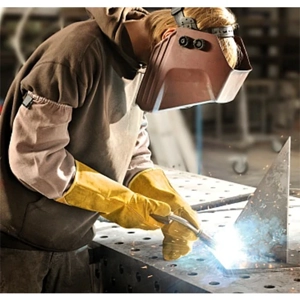
In settings with extreme temperatures, effective hand protection becomes a necessity. Heat-resistant gloves offer protection against burns, especially in industries like welding, while insulated gloves provide warmth in cold conditions.
Gloves play a pivotal role in upholding hand safety across various industries and workplaces. The following key aspects underscore the significance of gloves in protecting hands.
Gloves act as a physical shield, providing protection against a range of hazards like cuts, abrasions, punctures, and impacts. Depending on the specific work environment, gloves can be designed with materials tailored to resist these physical threats.
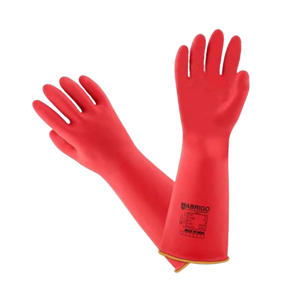
In industries where handling chemicals is common, the necessity of gloves with chemical-resistant properties is crucial. These gloves prevent direct contact with hazardous substances, thereby reducing the risk of chemical burns, dermatitis, and other adverse reactions.
Identify the hazards present in the workplace, such as chemicals, sharp objects, heat, or cold. Opt for gloves specifically designed to protect against the types of hazards workers may encounter.
Consider the material of the gloves concerning the substances they will come into contact with. Various materials, including latex, nitrile, neoprene, or PVC, offer different levels of resistance to chemicals and other substances.
The thickness of gloves can influence their durability and protective capabilities. Thicker gloves may offer better resistance to punctures and abrasions, while thinner gloves may provide greater dexterity for specific tasks.
Assess the level of dexterity needed for the tasks at hand. Some tasks require high finger movement, while others necessitate a strong grip. Choose gloves that strike a balance between protection and the required dexterity and grip.
Proper sizing and fit are essential to ensure gloves provide adequate protection. Gloves that are too small can be uncomfortable and limit movement, while oversized gloves pose a safety risk and diminish dexterity.
A variety of materials are employed in glove manufacturing, each selected for its distinct properties and appropriateness for specific applications. Below are some prevalent glove materials.
Properties: Nitrile gloves exhibit resistance to punctures, chemicals, and oils, serving as a viable alternative for individuals with latex allergies.
Applications: Extensively employed in healthcare, laboratories, food handling, and industries where chemical resistance is paramount.
Properties: Vinyl gloves, being cost-effective and latex-free, offer a basic barrier against punctures and chemicals compared to latex and nitrile.
Applications: Frequently used in food service, cleaning, and tasks of a light-duty nature.
Properties: Neoprene gloves provide resistance to chemicals, oils, and certain solvents, combining flexibility with durability.
Applications: Applied in chemical handling, laboratories, and industries necessitating chemical resistance.

 0

.webp)
