
.webp)


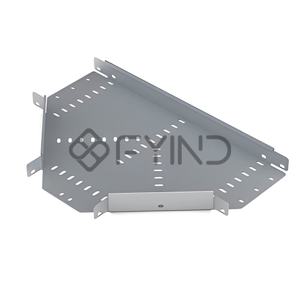

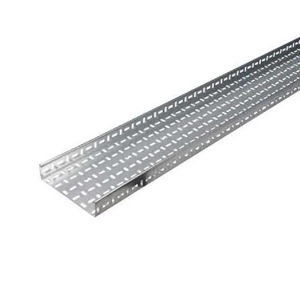













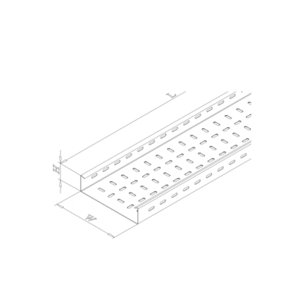

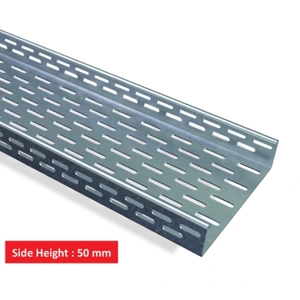
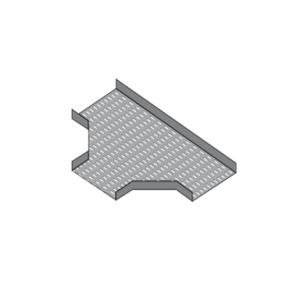
Electrical wire management requires cable trays. They organize and route wires in commercial buildings, industrial facilities, and infrastructure projects. Cable trays protect cables and enable easy installation, maintenance, and extension.
Cable trays come in numerous varieties to suit different needs:
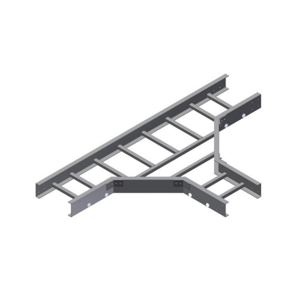
1. Ladder Cable Trays: Two longitudinal side rails joined by rungs form a ladder-like structure. Heavy-duty applications benefit from their cable support and ventilation.
2. Solid Bottom Cable Trays: Solid-bottom cable trays protect cables completely. They are utilized where dust, debris, or liquids may damage cables.
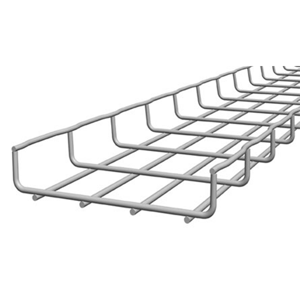
3. Welded wire mesh cable trays allow airflow and flexibility. Lightweight, inexpensive, and great for routing smaller cables.
4. Trough Cable Trays: U-shaped trays support and protect cables. They are often used to divide cables.
Cable trays have advantages over conduit systems:
1. Flexibility: Cable trays are ideal for projects that require regular electrical system changes since they are straightforward to route and reconfigure.
2. Accessibility: Cable trays make maintenance and troubleshooting easier. This reduces downtime and improves efficiency.
3. Safety: Cable trays fulfill safety requirements. They support cables to prevent damage, electrical problems, and fires.
4. Cost-effective: Cable trays manage cables cheaply. They cost less to install and maintain than conduit systems.
Considerations include cable type and size, environment, load requirements, and rules or standards when choosing a cable tray. A trained electrical engineer or supplier can help choose the proper cable tray for the application.
Electrical wire management systems need cable trays to route and support cables safely and neatly. Flexibility, accessibility, safety, and cost-effectiveness make them a popular choice for many applications. Cable trays must be selected and installed correctly for efficient and dependable electrical systems.
1. Are there industry standards for using cable trays under raised floors?
Ans: Installing cabling on an appropriate cable tray is a widespread practice, but there is no industry standard.
2. What are the standards for telecommunication cable installation clearances in cable trays?
Ans: Metallic cable trays are support systems and are not required to be listed. NEMA Standards Publications Nos. VE1 and VE2 and the manufacturer's instructions and applicable National Electrical Code (NEC) cable articles should be followed.
3. What are the advantages of utilizing cable trays?
Ans: Cable trays are cheaper than other methods of safeguarding wiring, and they make it easier to change cables because they can enter or exit the tray at any point in the system. They don't need conduit and are instantly visible for maintenance checks.
4. What are the drawbacks of cable trays?
Ans: If not regularly cleaned, cable trays can develop combustible dust and dirt. Since cable trays are commonly situated in hard-to-reach positions, regular housekeeping is essential for safety.