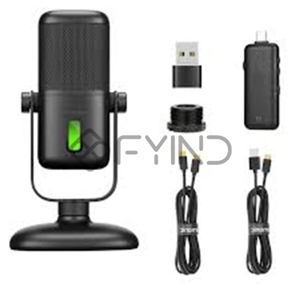

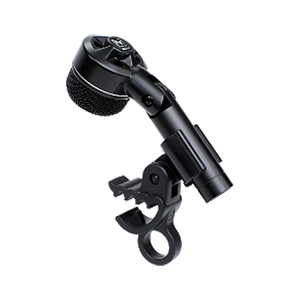

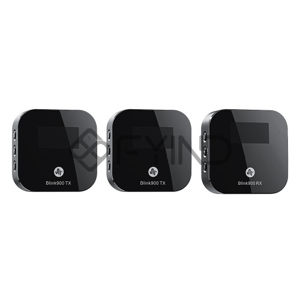

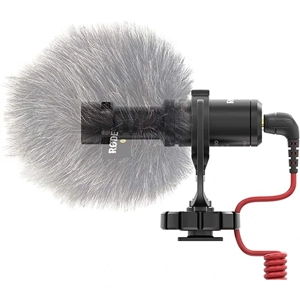

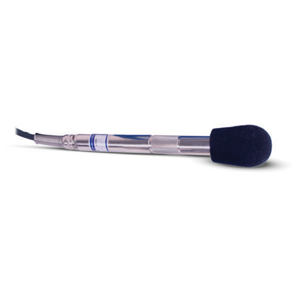

A microphone is an electronic device that converts sound waves into an electrical signal. It is essential for recording audio, amplifying sound, and transmitting voice. Microphones come in different shapes, sizes, and types, each with unique features and applications.
The most common microphones are dynamic, condenser, and ribbon microphones. Dynamic microphones are rugged and durable, making them ideal for live performances and recording loud sounds.
Condenser microphones are more sensitive and accurate, making them suitable for recording vocals, acoustic instruments, and studio work. Ribbon microphones are known for their warm and natural sound, making them popular for recording brass, woodwind, and string instruments.
Microphones can also be classified based on their directional properties. Omnidirectional microphones pick up sound from all directions, making them ideal for recording ambient sounds and group vocals.
Cardioid microphones, on the other hand, are more directional and pick up sound from the front while rejecting sound from the sides and rear. They are commonly used for recording solo vocals and instruments.
Other directional microphones include super cardioid and hypercardioid microphones, which are more directional than cardioid microphones.
Microphones are used in various settings, including music production, broadcasting, public speaking, and conferencing.
In music production, microphones are used to record vocals, instruments, and sound effects. In broadcasting, microphones capture and transmit the speaker's voice to the audience. In public speaking, microphones amplify the speaker's voice and make it audible to the audience.
In conferencing, microphones are used to capture the voice of the participants and transmit it to other participants.
Microphones are essential tools for recording, amplifying, and transmitting sound. They come in different types and directional properties, each with its unique features and applications. Whether you are a musician, broadcaster, public speaker, or conference participant, a microphone is an essential tool that can help you achieve your goals.
1. What is a microphone?
Ans: A microphone is a device that converts sound waves into electrical signals that can be recorded or amplified.
2. What are the different types of microphones?
Ans: There are three main types of microphones: dynamic, condenser, and ribbon. Dynamic microphones are rugged and versatile, while condenser microphones are more sensitive and offer a wider frequency response. Ribbon microphones are known for their warm, natural sound.
3. What should I look for when choosing a microphone?
Ans: When choosing a microphone, consider factors such as the type of microphone, frequency response, sensitivity, and polar pattern. You should also think about the intended use of the microphone, as different microphones are better suited for different applications.
4. What is microphone frequency response?
Ans: Microphone frequency response refers to the range of frequencies a microphone can accurately capture and reproduce. A microphone's frequency response can affect the recording's overall sound quality and character.
5. How do microphones work?
Ans: Microphones work by converting sound waves into electrical signals. This is done using a diaphragm that vibrates in response to sound waves, creating an electrical signal that can be recorded or amplified.

 0
0